
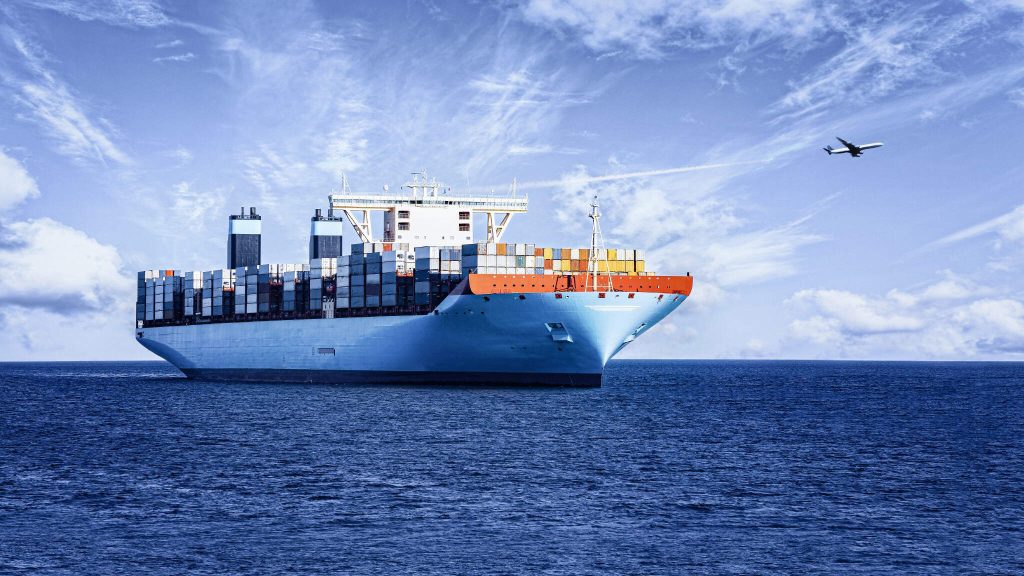
Sea freight has been the backbone of global trade for centuries, and it continues to play an essential role in international logistics today. For businesses in Tanzania and across Eastern Africa, sea freight offers an affordable, reliable, and flexible way to connect with international markets. With access to major ports such as Dar es Salaam, Tanga, and Mtwara, companies are strategically positioned to leverage sea freight as a driver of economic growth.
One of the greatest benefits of sea freight is cost-effectiveness. Unlike air freight, which is fast but expensive, sea freight allows businesses to move bulk shipments at much lower costs. This affordability is particularly important for industries dealing with heavy machinery, raw materials, or bulk agricultural exports. By shipping goods via sea, businesses lower their overall transportation expenses, making international trade more accessible.
Sea freight also offers unmatched capacity. Cargo ships are capable of transporting thousands of containers at once, making them ideal for businesses that need to move large volumes. For Tanzanian exporters, this means they can ship everything from coffee and cashew nuts to minerals and manufactured goods efficiently. The ability to move such large consignments ensures that businesses can scale their operations without being limited by transportation constraints.
Another major advantage is reliability. Modern shipping routes and schedules are highly structured, which helps businesses plan their supply chains effectively. While sea freight is slower compared to air, it is more predictable and consistent when properly managed. With the addition of containerization, cargo is better protected, reducing the risk of damage or loss during transport.
Technological advancements have further enhanced the reliability of sea freight. Real-time tracking allows businesses to monitor their shipments throughout the journey, improving transparency and communication. This not only provides peace of mind but also helps companies plan for inventory management and delivery timelines more accurately.
Additionally, sea freight supports sustainability goals. Compared to air freight, shipping goods by sea has a significantly lower carbon footprint. As businesses increasingly prioritize green supply chains, sea freight is becoming an even more attractive option. Logistics providers are also investing in eco-friendly ships and fuel-efficient routes, aligning global trade with environmental responsibility.
For Tanzania, sea freight is particularly important because it connects landlocked neighbors such as Rwanda, Burundi, and Uganda to international markets through its ports. This regional role positions Tanzania as a logistics hub, attracting investment and boosting trade opportunities. Businesses that adopt sea freight as their primary shipping method not only reduce costs but also gain access to a wider customer base.
In conclusion, sea freight is a cornerstone of international trade. Its affordability, capacity, reliability, and sustainability make it the preferred choice for businesses of all sizes. For Tanzanian companies seeking to grow beyond regional borders, leveraging sea freight ensures long-term competitiveness in the global market.